
A Javanese wedding, or Nikah Adat Jawa, is a captivating tapestry woven from centuries of tradition, symbolism, and profound spiritual significance. Far more than a mere union of two individuals, it represents the harmonious integration of families, communities, and the ancestral heritage of the Javanese people. This intricate ceremony offers a glimpse into a culture that cherishes respect, harmony, and a deep connection to its roots. From elaborate pre-wedding rituals to the solemnity of the ijab kabul and the joyous celebrations that follow, each step is imbued with meaning, designed to bless the couple and ensure a prosperous future. This article will delve into the multifaceted beauty of Javanese wedding traditions, exploring their essence and enduring relevance in contemporary times.
The preparatory rituals: laying the groundwork for a sacred union
Before the auspicious day of the wedding arrives, a series of carefully orchestrated rituals lays the spiritual and emotional foundation for the union. These preparatory stages are crucial, signifying the commitment of not just the couple but also their respective families and communities. One of the earliest and most important is the Nontoni, a formal proposal where the groom’s family visits the bride’s home to seek her hand in marriage. This is a deeply respectful act, emphasizing the importance of familial consent and blessing.
Following the proposal, the Pasrah Panampen takes place, a formal exchange where the groom’s family formally entrusts their son to the bride’s care, and vice versa. This exchange highlights mutual trust and responsibility. Another significant pre-wedding ritual is the Siraman, a ritualistic cleansing ceremony where the bride and groom are bathed in holy water collected from seven different springs. This purification symbolizes the washing away of past impurities and prepares them for a new beginning. The Midodareni, held the night before the wedding, is a more intimate affair where the bride remains in her room, adorned and attended by female relatives and friends, symbolizing her transition to womanhood. The groom’s family may also visit to offer blessings and gifts, further solidifying the bond between the two families.
The solemnity of the ceremony: Ijab Kabul and its significance
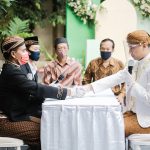
The heart of any Javanese wedding, regardless of regional variations, lies in the Ijab Kabul, the Islamic marriage contract. This is the moment when the union is officially recognized by religious law. Performed in the presence of a religious officiant (penghulu), the groom’s acceptance of the marriage proposal from the bride’s guardian (wali nikah) marks the binding of their lives together. The Ijab Kabul is a solemn and deeply spiritual event, emphasizing the sacredness of marriage as a covenant before God.
Key elements of the Ijab Kabul include the reading of verses from the Quran, the pronouncement of the marriage, and the signing of the marriage certificate. The bride is typically represented by her wali nikah, often her father, who gives her in marriage. The presence of two witnesses from each side is mandatory. The ceremony is often followed by prayers for the couple’s happiness and well-being. While the Ijab Kabul is the legal and religious core, the Javanese traditions surrounding it add layers of cultural richness and emotional depth, ensuring the union is blessed by both divine grace and ancestral customs.
The celebratory feast and symbolic gestures
Following the formal Ijab Kabul, the joyous celebration of the Resepsi, or wedding reception, commences, showcasing the vibrant cultural heritage of Java. This is a grand affair, often a feast for the eyes as much as for the palate, where the couple is formally presented to their guests. The reception is a vibrant display of Javanese artistry, from the intricate floral arrangements and traditional music to the stunning attire worn by the bride and groom and their families.
Symbolic gestures abound during the reception, each carrying profound meaning. The Sungkeman, a moment where the couple bows to their parents and elders, expresses deep gratitude and respect for their upbringing and blessings. The Injak Telur, where the groom steps on an egg, symbolizing his virility and the continuation of the family line, is followed by the bride washing his foot, signifying her devotion and subservience. Another significant tradition is the Nasi Tumpeng, a cone-shaped rice dish symbolizing prosperity and abundance, which is shared among the guests, further reinforcing the sense of community and shared joy. The Buceng Krawan, a symbolic offering of rice and side dishes, is also often part of the feast, representing nourishment and sustenance for the couple’s new life.
The enduring significance of Javanese wedding traditions
In an increasingly globalized world, the preservation and practice of traditional Javanese wedding customs like Nikah Adat Jawa hold immense significance. These traditions are not merely relics of the past; they are living embodiments of Javanese values, fostering a sense of identity, belonging, and continuity across generations. The elaborate rituals, the emphasis on familial harmony, and the profound respect shown to elders all contribute to a robust social fabric.
The beauty of Javanese weddings lies in their ability to seamlessly blend the spiritual, the social, and the symbolic. Each element, from the purification rituals to the celebratory feast, is designed to bless the couple with a life of love, prosperity, and spiritual fulfillment. While modern adaptations may occur, the core essence of respecting ancestors, honoring family ties, and seeking divine blessings remains paramount. These traditions serve as a powerful reminder of the importance of cultural heritage and its role in shaping a meaningful and connected life, offering a unique and beautiful pathway to marital bliss.
Image by: Arbiansyah Sulud
https://www.pexels.com/@arbiansyah-sulud-1302117685
Related posts:
 Hidden Gems: 10 Restoran di Jogja yang Unik dan Wajib Kamu Coba
 Panduan Memilih Paket Wedding di Hotel Jogja 2025: Termasuk Hotel New Saphir sebagai Pilihan Utama
 Makna dan Proses Ijab Kabul dalam Pernikahan Islami
Panduan Lengkap Mempersiapkan Pernikahan Impian di Yogyakarta
 Menyusun Anggaran Pernikahan di Yogyakarta: Tips Hemat Tanpa Mengurangi Kesan
Panduan Lengkap Melakukan Ijab Kabul Pernikahan yang Sah dan Khidmat
 Prosesi Ijab Kabul dalam Adat Jawa: Ikatan Suci yang Sarat Makna dan Tradisi
Things to Consider Before Conducting the Ijab Kabul in Marriage
 10 Cafe Hits dan Instagramable di Yogyakarta untuk Dikunjungi pada 2024
10 Tempat Wisata di Kabupaten Wonosobo: Surga Alam di Tanah Dieng