
Nikah Adat Jawa: a complete guide to the sacred Javanese wedding rituals
The Javanese wedding ceremony, or Nikah Adat Jawa, is a profound tapestry of rituals steeped in centuries of tradition and spiritual significance. Far more than just a legal union, it is a sacred rite of passage that marks the joining of two souls and two families, embodying Javanese philosophy, respect for ancestors, and a deep connection to the universe. This guide will delve into the intricate beauty of these ceremonies, exploring their symbolic meanings and the meticulous steps involved. From the pre-wedding preparations that set the stage to the symbolic acts performed on the wedding day itself, we will uncover the essence of a Javanese wedding, a celebration that honors the past while embracing the future.
The preliminary stages: setting the foundation
Before the wedding day dawns, a series of crucial preliminary rituals lay the groundwork for the sacred union. These stages are characterized by meticulous planning and a deep sense of community involvement. The Lamaran, or proposal, is the formal asking for the bride’s hand in marriage, often involving the exchange of gifts that signify the seriousness of the intent. Following this, the Peningsetan, or engagement ceremony, solidifies the commitment, where families formally agree upon the wedding date and other arrangements. This period is also marked by detailed discussions regarding the dowry, known as Mas Kawin or Mahar, which is a significant token of the groom’s responsibility towards his bride. Furthermore, elaborate preparations are made for the wedding day itself, including the selection of traditional attire, the arrangement of the venue, and the coordination of family and community participation. This phase emphasizes the importance of family approval and the collective blessing of the union.
The wedding day: a procession of sacred acts
The wedding day of Nikah Adat Jawa is a crescendo of symbolic rituals, each carrying profound meaning and spiritual weight. The ceremonies often begin with the Ijab Qobul, the Islamic marriage contract, which is the legal and religious foundation of the union, performed according to Islamic principles. Following this, the heart of the Javanese adat comes alive with the Upacara Panggih, the meeting ceremony. This ritual is a dramatic reenactment of the couple’s first encounter, symbolizing their journey from separation to unity. Key elements include the Balangan Gantal, where the bride and groom throw betel leaves at each other, signifying the removal of any obstacles and the purification of their union. The Ngidak Endhog, or stepping on the egg, represents fertility and the continuity of the family lineage, with the bride later cleaning the groom’s foot as a sign of devotion. Another significant act is the Kacar Kucur, where the groom pours grains, money, and other items into the bride’s hands, symbolizing his provision and her acceptance of his role as provider.
Symbolic gestures and their deeper meanings
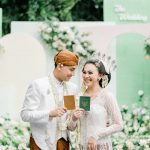
Every gesture and object within a Javanese wedding ceremony is imbued with deep symbolism, reflecting the Javanese worldview and their aspirations for the couple’s future. The traditional attire, such as the groom’s Beskap and the bride’s elaborate Sanggul Bokor Mengkurep (a traditional Javanese hairstyle), are not merely decorative but carry cultural and spiritual significance. The vibrant colors and intricate patterns often represent blessings, prosperity, and protection. The use of Kembang Mayang, jasmine flowers, symbolizes purity and eternal love, while the Pisang Sanggan, a pair of bananas, signifies hope for a long and fruitful life together. The elaborate procession, often accompanied by traditional Gamelan music, creates an atmosphere of sacredness and joy. These elements work in harmony to not only celebrate the union but also to instill in the couple the values of commitment, mutual respect, and the importance of their role within the wider community and the universe.
The aftermath and continuation of blessings
The culmination of the wedding day does not signify the end of the ritualistic journey, but rather the beginning of a new chapter. The post-wedding rituals in Nikah Adat Jawa are designed to ensure the couple’s smooth transition into married life and to seek continued blessings. The Sungkeman, a deeply touching ceremony, involves the bride and groom bowing down to their parents and elders, expressing their gratitude and asking for forgiveness for any past wrongdoings. This act reinforces the importance of family respect and filial piety. Following this, families often hold celebratory feasts and receptions, where the wider community shares in the couple’s joy. The exchange of blessings and well wishes continues, emphasizing the communal support for the newlyweds. This phase underscores the Javanese belief that a marriage is not just a union of two individuals, but a strengthening of bonds between families and a continuation of ancestral traditions for generations to come.
In conclusion, Nikah Adat Jawa stands as a magnificent testament to the enduring power of tradition and the profound spiritual underpinnings of marriage. From the meticulously planned preliminary stages of Lamaran and Peningsetan, which secure familial consent and commitment, to the vibrant and symbolic acts of the wedding day, such as the Ijab Qobul, Upacara Panggih, Balangan Gantal, Ngidak Endhog, and Kacar Kucur, each ritual plays a vital role in weaving the fabric of a sacred union. The deeper meanings embedded in the traditional attire, floral arrangements, and symbolic gestures further enrich the ceremony, imparting values of purity, prosperity, and eternal love. Finally, the concluding rituals of Sungkeman and communal celebrations ensure the seamless integration of the couple into married life, emphasizing gratitude and continued blessings. The Javanese wedding is thus more than a ceremony; it is a holistic experience that honors ancestry, strengthens community, and blesses the couple with a foundation for a spiritually fulfilling and prosperous life together.
Image by: afiful huda
https://www.pexels.com/@afiful-huda-106559306
Related posts:
 Hidden Gems: 10 Restoran di Jogja yang Unik dan Wajib Kamu Coba
 Panduan Memilih Paket Wedding di Hotel Jogja 2025: Termasuk Hotel New Saphir sebagai Pilihan Utama
Panduan Lengkap Mempersiapkan Pernikahan Impian di Yogyakarta
Panduan Memilih Paket Wedding di Hotel Jogja 2025: Termasuk Hotel New Saphir sebagai Pilihan Utama
Panduan Lengkap Mempersiapkan Pernikahan Impian di Yogyakarta
 Menyusun Anggaran Pernikahan di Yogyakarta: Tips Hemat Tanpa Mengurangi Kesan
 10 Cafe Hits dan Instagramable di Yogyakarta untuk Dikunjungi pada 2024
10 Tempat Wisata di Kabupaten Wonosobo: Surga Alam di Tanah Dieng
Honeymoon di Yogyakarta: 7 Destinasi Romantis untuk Pasangan Baru
Nikah Adat Jawa: Unveiling the Rich Tapestry of Javanese Islamic Wedding Traditions
Nikah Adat Jawa: A Complete Guide to Javanese Wedding Traditions & Rituals
10 Cafe Hits dan Instagramable di Yogyakarta untuk Dikunjungi pada 2024
10 Tempat Wisata di Kabupaten Wonosobo: Surga Alam di Tanah Dieng
Honeymoon di Yogyakarta: 7 Destinasi Romantis untuk Pasangan Baru
Nikah Adat Jawa: Unveiling the Rich Tapestry of Javanese Islamic Wedding Traditions
Nikah Adat Jawa: A Complete Guide to Javanese Wedding Traditions & Rituals
 Pesona Pernikahan Tradisional Yogyakarta: Menghidupkan Budaya dalam Momen Spesial