
Embarking on the journey of marriage is a significant milestone, and for many in Indonesia, the Nikah Adat Jawa, or Javanese traditional wedding, offers a profoundly spiritual and culturally rich experience. This intricate ceremony is far more than a legal union; it’s a vibrant tapestry woven with ancient customs, symbolic rituals, and deep-seated values. Understanding the nuances of Nikah Adat Jawa allows couples and their families to connect with their heritage and ensure their union is blessed not only by law but also by the wisdom of generations. This guide will delve into the heart of this beautiful tradition, exploring its key stages and the profound meanings embedded within each step.
The profound preparations: Laying the foundation for a sacred union
Before the solemnity of the Nikah Adat Jawa ceremony itself, a series of meticulously planned preparations set the stage for a blessed union. These early stages are crucial for seeking divine approval and ensuring the couple’s future well-being. A vital preliminary step involves the Lamaran, or proposal. This is typically a formal visit from the groom’s family to the bride’s family, where the groom’s intention to marry is officially conveyed. It’s an exchange of respect and a crucial moment for both families to begin forging a bond. Following the Lamaran, the Peningsetan, or engagement, takes place. This is where the marriage is formally agreed upon, and gifts are exchanged. These gifts are not merely material; they often carry symbolic meaning, representing the commitment and shared future of the couple. The families also discuss the wedding details, including the date, venue, and the specific Javanese traditions to be observed, ensuring a harmonious celebration that honors ancestral customs.
The heart of the ceremony: Rituals of blessing and togetherness
The actual Nikah Adat Jawa ceremony is a series of deeply symbolic rituals that underscore the sacredness of the marital bond and the blessings sought from the divine and the community. The most pivotal moment is the Ijab Kabul, the recitation of vows, which is conducted by a religious officiant. This is the legal and spiritual foundation of the marriage, where the groom accepts the bride in the presence of witnesses. Following this, a series of Javanese adat rituals unfold, each laden with meaning. The Sodok Lawang is a touching ritual where the groom is metaphorically welcomed into the bride’s family, symbolizing his acceptance into their fold. Another significant ritual is the Kacar Kucur, where the groom pours a handful of grains, coins, and other items into the bride’s lap, symbolizing his responsibility as the provider and the sharing of wealth and prosperity. The Dhandhangan, or blessing ceremony, involves the elders sprinkling rice and flowers, signifying purification and good fortune. These acts are not merely ceremonial; they are deeply ingrained expressions of cultural values, commitment, and the hope for a prosperous and harmonious married life.
Symbolic adornments and their meanings
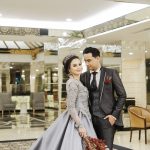
The visual spectacle of a Nikah Adat Jawa wedding is as rich and meaningful as its rituals. Every element, from the attire to the decorations, is imbued with symbolic significance, reflecting the Javanese philosophy of life and the aspirations for the newly married couple. The bride and groom are often adorned in traditional Javanese attire, with the bride typically wearing a graceful kebaya and the groom a beskap. The intricate batik patterns worn are not random; they often carry specific meanings related to fertility, prosperity, and protection. The Paes Ageng, a traditional Javanese bridal makeup and headdress, is particularly elaborate and symbolic. The distinctive shape of the prada (gold leaf) and the centhung (small decorative elements) on the forehead are believed to ward off evil spirits and bring good luck. The flowers used in the decorations, such as jasmine and frangipani, are also chosen for their auspicious meanings, representing purity, love, and spiritual connection. These adornments collectively contribute to the visual narrative of the wedding, enhancing its solemnity and beauty while reinforcing the cultural identity of the couple and their families.
The joyous celebration: Food, music, and community
The Nikah Adat Jawa culminates in a joyous celebration, a feast that brings together family, friends, and the wider community to share in the couple’s happiness and offer their blessings. This celebratory phase is as integral to the tradition as the solemn rituals. The reception, often held in a beautifully decorated hall or the family home, is characterized by lively music, often featuring the traditional Javanese gamelan orchestra, whose enchanting melodies create an atmosphere of festivity and cultural immersion. A crucial element of the reception is the elaborate Javanese cuisine. Traditional dishes are served, each prepared with care and often carrying symbolic importance, representing abundance, health, and good fortune for the new couple. The presence of the community is vital; their collective well wishes and shared joy reinforce the social fabric and offer a strong network of support for the newlyweds as they begin their life together. This communal aspect highlights the importance of family and social harmony within Javanese culture, ensuring the union is not just between two individuals but between two families and their respective communities.
In conclusion, the Nikah Adat Jawa is a profound testament to the enduring power of tradition and the deep spiritual significance attached to marriage in Javanese culture. From the meticulous preparations of the Lamaran and Peningsetan to the sacred rituals like Ijab Kabul, Sodok Lawang, and Kacar Kucur, each element is thoughtfully designed to bless and sanctify the union. The symbolic adornments, from the intricate batik to the auspicious flowers and Paes Ageng, further enrich the ceremony, weaving a narrative of hope and prosperity. The joyous celebration, with its traditional music and culinary delights, underscores the communal aspect of marriage, bringing together families and friends to share in the couple’s happiness. Ultimately, the Nikah Adat Jawa is more than just a wedding; it is a vibrant affirmation of cultural identity, a spiritual blessing, and a beautiful beginning for a lifelong partnership, rooted in the wisdom and love of generations past.
Image by: Arbiansyah Sulud
https://www.pexels.com/@arbiansyah-sulud-1302117685
Related posts:
 Hidden Gems: 10 Restoran di Jogja yang Unik dan Wajib Kamu Coba
 Menyusun Anggaran Pernikahan di Yogyakarta: Tips Hemat Tanpa Mengurangi Kesan
 Panduan Lengkap Mempersiapkan Pernikahan Impian di Yogyakarta
10 Tempat Wisata di Kabupaten Wonosobo: Surga Alam di Tanah Dieng
 10 Cafe Hits dan Instagramable di Yogyakarta untuk Dikunjungi pada 2024
Honeymoon di Yogyakarta: 7 Destinasi Romantis untuk Pasangan Baru
Eksplorasi Budaya Yogyakarta: Dari Keraton Hingga Tradisi Lokal yang Memikat
Kunjungan Industri di Yogyakarta: Menyaksikan Kreativitas dan Inovasi dalam Dunia Usaha
Panduan Memilih Paket Wedding di Hotel Jogja 2025: Termasuk Hotel New Saphir sebagai Pilihan Utama
Phinisi Café: Harmoni Kuliner, Seni, dan Pemandangan di Jantung Yogyakarta