
The tapestry of Indonesian culture is rich and diverse, with each ethnic group boasting unique traditions and ceremonies. Among the most captivating are the wedding customs of the Javanese people, known as Nikah Adat Jawa. This article embarks on a deep dive into these intricate rituals, unveiling the layers of symbolism, spirituality, and community that define a traditional Javanese wedding. From ancient blessings to the symbolic exchange of gifts, we will explore the key stages that lead a couple through their sacred union. Prepare to be immersed in the profound beauty and enduring significance of Javanese marital traditions.
The sacred preparation: before the altar
The journey towards a Javanese wedding is a meticulously planned process, often beginning long before the actual ceremony. This preparatory phase is steeped in tradition and aims to ensure a harmonious and blessed union. A crucial first step is the lamaran, or the proposal. This isn’t just a simple question; it’s a formal request from the groom’s family to the bride’s family for her hand in marriage. This involves exchanging gifts and seeking blessings, signifying the acceptance of the union by both families.
Following the lamaran, the couple undergoes a series of purification rituals. The siraman, or ceremonial cleansing, is a particularly significant event. The bride and groom are bathed in water collected from seven different sacred springs, symbolizing the washing away of impurities and the start of a new, clean chapter. This ritual is often performed by elders, who offer prayers and blessings for the couple’s future. Another important preparation is the midodareni. This is a night where the bride is kept secluded, visited only by female relatives and close friends. It’s a time for reflection, advice, and the beautification of the bride, preparing her to be the most radiant version of herself for the wedding day.
The heart of the ceremony: unity and symbolism
The wedding day itself, known as akad nikah, is the culmination of these preparations. This is the legal and religious ceremony where the couple officially becomes husband and wife. While the specific religious rites may vary, the underlying spirit is one of profound commitment and divine blessing. Following the akad nikah, the true essence of Nikah Adat Jawa unfolds with a series of symbolic ceremonies designed to weave the couple’s lives together.
One of the most visually striking rituals is the panggih. This is the meeting of the bride and groom for the first time on their wedding day, after their respective preparations. Several symbolic acts take place here, each carrying deep meaning:
- The throwing of the betel leaf (ngunduh manten): The groom throws a betel leaf at the bride’s face, symbolizing his ability to control his temper and his commitment to protect her.
- The crushing of the egg (injak telur): The bride steps on a raw egg, which the groom then gently cleans with a wet cloth. This signifies fertility and the groom’s role in nurturing and caring for his wife.
- The untying of the knot (buka pintu): The groom unties a knot on the bride’s veil, symbolizing the opening of their lives to each other.
- The tasting of the betel nut paste (dulangan): The couple feeds each other a small portion of betel nut paste, representing their commitment to nourish and support each other in all aspects of life.
These rituals are not merely performative; they are deeply embedded in the Javanese philosophy of life, emphasizing balance, harmony, and mutual respect.
The communal celebration: welcoming the new family
A Javanese wedding is not just an event for the couple; it is a joyous celebration that involves the entire community. The resepsi pernikahan, or wedding reception, is a grand affair where friends, family, and neighbors gather to offer their blessings and well wishes to the newlyweds. This is a vibrant spectacle, often characterized by traditional music, dance performances, and a lavish feast.
The bride and groom are typically seated on a beautifully decorated dais, receiving guests who come forward to offer their congratulations. The attire worn by the couple is also highly significant. Traditional Javanese wedding attire, such as the paes ageng for the bride and the dodotan for the groom, is elaborate and rich with symbolic colors and patterns. The paes ageng, in particular, involves intricate makeup and adornments that are believed to bestow good fortune and ward off evil spirits.
The communal aspect of the wedding reinforces the Javanese belief in the importance of extended family and social bonds. It’s a way of integrating the new couple into the fabric of society and ensuring they have a strong support system as they embark on their married life.
Enduring wisdom: the legacy of Javanese weddings
The rituals and traditions of Nikah Adat Jawa are more than just historical practices; they are living embodiments of Javanese values that have been passed down through generations. These customs offer profound insights into the Javanese worldview, emphasizing the sacredness of marriage, the importance of family and community, and the pursuit of spiritual harmony.
The intricate symbolism woven into each stage of the wedding, from the preparatory cleansing rituals to the final communal celebration, serves to guide the couple towards a life of mutual respect, understanding, and enduring love. The emphasis on community underscores the belief that a strong marriage is built not only on the foundation of the couple’s love but also on the support and blessings of their extended social network.
In essence, a Javanese wedding is a holistic ceremony that transcends the simple union of two individuals, aiming to create a harmonious and blessed partnership that enriches not only the couple but also their families and the wider community. The enduring wisdom embedded within these traditions continues to resonate, offering a beautiful framework for marital bliss.
In conclusion, Nikah Adat Jawa offers a profound glimpse into the rich cultural heritage of the Javanese people. We have journeyed through the intricate preparatory stages, including the formal lamaran and the cleansing siraman, understanding their spiritual significance. The heart of the ceremony, the akad nikah and the symbolic panggih rituals, were explored, revealing the deep meaning behind acts like crushing an egg and tasting betel nut paste. The vibrant resepsi pernikahan highlighted the crucial role of community in celebrating and supporting the newlyweds. Ultimately, these traditions are not merely historical relics but living testaments to Javanese values of respect, harmony, and spiritual well-being. The enduring wisdom of these customs continues to guide couples towards a blessed and fulfilling married life, reinforcing the interconnectedness of love, family, and community.
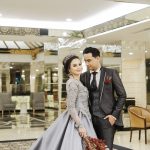
Image by: Chandra Anugrah
https://www.pexels.com/@chandra-anugrah-155327179
Related posts:
 Hidden Gems: 10 Restoran di Jogja yang Unik dan Wajib Kamu Coba
 Panduan Memilih Paket Wedding di Hotel Jogja 2025: Termasuk Hotel New Saphir sebagai Pilihan Utama
Panduan Lengkap Mempersiapkan Pernikahan Impian di Yogyakarta
 Menyusun Anggaran Pernikahan di Yogyakarta: Tips Hemat Tanpa Mengurangi Kesan
Nikah Adat Jawa: A Complete Guide to Javanese Wedding Traditions & Rituals
Nikah Adat Jawa: Exploring the Sacred Traditions of Javanese Weddings
Nikah Adat Jogja: A Complete Guide to the Royal Javanese Wedding Rituals
Nikah Adat Jawa: A Deep Dive into Javanese Wedding Traditions and Customs
Nikah Adat Jawa: A Deep Dive into Javanese Wedding Traditions
Nikah Adat Jawa: Unveiling the Richness of Javanese Wedding Customs