
Unveiling the Beauty of Nikah Adat Jawa: A Complete Guide to Traditional Javanese Weddings
Embarking on the journey of marriage is a momentous occasion, and for many, the desire to honor cultural heritage makes the wedding ceremony even more profound. Among the rich tapestry of Indonesian traditions, the Nikah Adat Jawa, or traditional Javanese wedding, stands out for its intricate rituals, deep symbolism, and exquisite beauty. This comprehensive guide will delve into the heart of this captivating ceremony, exploring its essential components, the philosophical underpinnings that guide its practices, and the enduring significance it holds for couples and their families. From the elaborate preparations to the heartfelt blessings, we will unveil the layers of meaning woven into every aspect of a Javanese wedding, offering insights for those seeking to understand or participate in this cherished tradition.
The Sacred Preparations: Setting the Stage for a Lifelong Union
The journey towards a Nikah Adat Jawa begins long before the actual wedding day, with a series of meticulous preparations that signify the union of not just two individuals, but also two families. These preparatory stages are laden with symbolic meaning, reflecting the community’s blessings and the couple’s readiness for married life. One of the earliest and most crucial steps is the Lamaran, or proposal. Traditionally, the groom’s family formally visits the bride’s family to ask for her hand in marriage. This event is often accompanied by gifts, signifying respect and a commitment to the union. Following the acceptance, the Peningsetan takes place, where the engagement is formalized. This often involves the exchange of betrothal gifts, further solidifying the commitment and outlining the terms of the marriage, such as the dowry or mas kawin.
The preparations also extend to the spiritual and physical well-being of the couple. A series of traditional spa treatments and cleansing rituals, known as Siraman, are performed for both the bride and groom. The Siraman involves bathing in blessed water, often collected from seven different sacred sources, symbolizing purification and the washing away of past impurities to prepare for a new beginning. Family members participate in this ritual, offering prayers and blessings for the couple’s future happiness and fertility. These preparations are not merely ceremonial; they are deeply rooted in the belief that a strong foundation, both physically and spiritually, is essential for a harmonious and lasting marriage.
The Ceremony Unveiled: Rituals of Unity and Blessing
The heart of the Nikah Adat Jawa lies in its elaborate ceremony, a series of rituals designed to solemnize the union and imbue it with blessings. The most central part is the Ijab Kabul, the Islamic marriage vow, which is conducted according to religious law. However, the Javanese traditions weave a rich tapestry of customs around this essential act. A significant ritual is the Panggih, where the bride and groom officially meet for the first time as husband and wife in the presence of their families and community. This is a highly symbolic encounter, filled with gestures that speak volumes about their future roles and responsibilities.
One of the most visually striking elements of the Panggih is the Balangan Gantal, where the couple throws betel leaf quids at each other. This act symbolizes their mutual responsibility and the potential for minor conflicts that they will overcome together throughout their marriage. Following this, the groom steps on an egg, representing the fertility of the union and the groom’s willingness to provide for his wife. The bride then cleans the groom’s foot, signifying her obedience and care. Another profound ritual is the Kacar Kucur, where the groom pours grains, money, and other small items into the bride’s lap, symbolizing his role as the provider and the bride’s trust in his ability to sustain their family. The ceremony concludes with the Dulangan Pungkasan, where the couple feeds each other rice cakes, symbolizing their commitment to nourish and support one another throughout their lives.
Symbolism and Philosophy: The Deeper Meanings of Javanese Wedding Traditions
Beyond the outward spectacle, the Nikah Adat Jawa is deeply imbued with philosophical concepts and symbolic meanings that reflect the Javanese worldview. The entire process emphasizes the concept of rukun, which translates to harmony, peace, and accord. This principle guides the interactions between families and the couple, ensuring that the union is built on a foundation of mutual respect and understanding. The elaborate rituals are designed to foster this sense of unity and to prepare the couple for a life lived in balance.
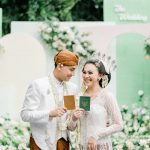
The use of specific colors, such as white and gold, holds significant meaning. White symbolizes purity, divinity, and the intention for a new, unblemished beginning. Gold often represents prosperity, good fortune, and a rich future. The attire worn by the couple, particularly the kebaya for the bride and the beskap for the groom, is often adorned with intricate embroidery and traditional motifs, each carrying its own symbolic message of protection, fertility, or prosperity. The Paes Ageng, the elaborate ceremonial makeup and hairstyle worn by the bride, is a testament to the artistry and spiritual significance embedded in Javanese culture. Each line and adornment is believed to offer spiritual protection and enhance the bride’s inner radiance. The entire wedding ritual can be seen as a microcosm of Javanese philosophy, where tradition, spirituality, and community intertwine to create a sacred and meaningful passage into married life.
The Enduring Legacy: Preserving a Cherished Heritage
In an increasingly globalized world, the preservation of traditional wedding customs like the Nikah Adat Jawa is of paramount importance. These traditions are not merely relics of the past; they are living embodiments of cultural identity, values, and wisdom passed down through generations. The meticulous adherence to these customs ensures that the younger generation remains connected to their roots, understanding the significance of their heritage and the values that underpin their society. While modern adaptations are often incorporated to suit contemporary lifestyles, the core essence and symbolic meanings of the Javanese wedding remain steadfast.
The beauty of the Nikah Adat Jawa lies in its ability to create a deeply personal and profoundly communal experience. It is a celebration that honors the past, enriches the present, and lays a sacred foundation for the future. For couples choosing this path, it is an opportunity to embark on their marital journey with blessings, wisdom, and a profound connection to their cultural identity. The enduring legacy of this tradition lies in its ability to adapt while staying true to its core principles, ensuring that the beauty and meaning of a traditional Javanese wedding will continue to inspire and guide couples for generations to come.
In conclusion, the Nikah Adat Jawa offers a captivating glimpse into the rich cultural heritage of Java. From the meticulous preparations that signify family unity and spiritual readiness to the intricate ceremonies laden with profound symbolism, every aspect of this traditional wedding is designed to bless and guide the newlywed couple. We have explored the rituals of Lamaran and Peningsetan, the purifying Siraman, and the deeply meaningful Panggih ceremony with its symbolic acts like Balangan Gantal and Kacar Kucur. The underlying philosophy of rukun and the symbolic significance of colors, attire, and adornments underscore the Javanese emphasis on harmony and prosperity. Ultimately, the enduring legacy of the Nikah Adat Jawa lies in its power to connect couples to their ancestry, imbue their union with sacred blessings, and preserve a cherished cultural identity for future generations. It is a testament to the enduring power of tradition in shaping meaningful life passages.
Image by: Chandra Anugrah
https://www.pexels.com/@chandra-anugrah-155327179
Related posts:
 Hidden Gems: 10 Restoran di Jogja yang Unik dan Wajib Kamu Coba
 Panduan Memilih Paket Wedding di Hotel Jogja 2025: Termasuk Hotel New Saphir sebagai Pilihan Utama
Panduan Lengkap Mempersiapkan Pernikahan Impian di Yogyakarta
Panduan Memilih Paket Wedding di Hotel Jogja 2025: Termasuk Hotel New Saphir sebagai Pilihan Utama
Panduan Lengkap Mempersiapkan Pernikahan Impian di Yogyakarta
 Menyusun Anggaran Pernikahan di Yogyakarta: Tips Hemat Tanpa Mengurangi Kesan
 Pesona Pernikahan Tradisional Yogyakarta: Menghidupkan Budaya dalam Momen Spesial
10 Tempat Wisata di Kabupaten Wonosobo: Surga Alam di Tanah Dieng
Pesona Pernikahan Tradisional Yogyakarta: Menghidupkan Budaya dalam Momen Spesial
10 Tempat Wisata di Kabupaten Wonosobo: Surga Alam di Tanah Dieng
 10 Cafe Hits dan Instagramable di Yogyakarta untuk Dikunjungi pada 2024
Honeymoon di Yogyakarta: 7 Destinasi Romantis untuk Pasangan Baru
Eksplorasi Budaya Yogyakarta: Dari Keraton Hingga Tradisi Lokal yang Memikat
Kunjungan Industri di Yogyakarta: Menyaksikan Kreativitas dan Inovasi dalam Dunia Usaha
10 Cafe Hits dan Instagramable di Yogyakarta untuk Dikunjungi pada 2024
Honeymoon di Yogyakarta: 7 Destinasi Romantis untuk Pasangan Baru
Eksplorasi Budaya Yogyakarta: Dari Keraton Hingga Tradisi Lokal yang Memikat
Kunjungan Industri di Yogyakarta: Menyaksikan Kreativitas dan Inovasi dalam Dunia Usaha